Best Trucking Companies Hiring in Minnesota in 2026
By Max Dmytrov · Published March 18, 2026 · 9 min read
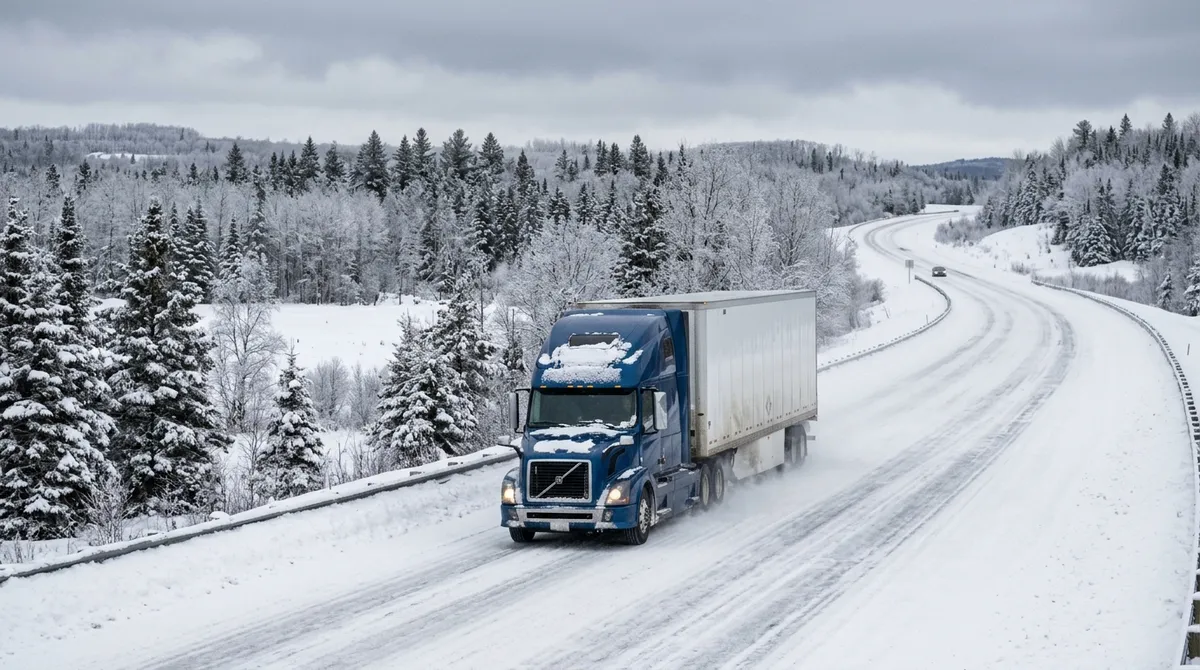
Minnesota has one of the strongest trucking markets in the northern US, and it's built on three pillars: agriculture, the Twin Cities metro hub, and cold weather capability. The state produces enormous volumes of grain, soybeans, corn, and dairy — and all of it needs to move. Minneapolis-St. Paul is the primary distribution hub for the Upper Midwest. And if you can handle a Minnesota winter, you can drive anywhere.
| Metric | Detail |
|---|---|
| CDL driver average pay | $66,000–$88,000/year |
| State income tax | Up to 9.85% top rate (one of the highest) |
| Key freight types | Grain, dairy, lumber, taconite iron ore, general distribution |
| Major hub | Minneapolis-St. Paul metro (Twin Cities) |
| Key interstates | I-94, I-35, I-90 |
| Notable | Iron Range (taconite mining) generates heavy flatbed freight |
Why Minnesota Matters for Trucking
Minnesota produces more corn and soybeans per acre than most states, and its grain elevator system feeds into both domestic food processing and export markets via the Mississippi River barge system. Grain elevator outbound moves and agricultural input (fertilizer, seed, equipment) inbound create year-round agricultural freight across central and southern Minnesota.
The Twin Cities metro is the distribution hub for a large swath of the Upper Midwest — North Dakota, South Dakota, Wisconsin, and parts of Iowa all receive consumer goods distributed from Minneapolis-St. Paul DCs. Amazon, Target (headquartered in Minneapolis), and major retailers all have significant Twin Cities logistics operations.
Iron Range taconite mining in northeastern Minnesota (Hibbing, Virginia, Iron Mountain area) generates heavy flatbed and bulk freight that's unique to this region. Taconite pellets move by rail to steel mills, but equipment inbound is truck-dependent and generates steady flatbed work for northern MN drivers.
Minnesota's Key Freight Corridors
| Corridor | Route | Primary Freight | Key Markets |
|---|---|---|---|
| I-94 | WI border → Minneapolis → St. Cloud → ND border | General freight, distribution, intermodal | Twin Cities, St. Cloud |
| I-35 | Iowa border → Minneapolis → Duluth | Grain, manufactured goods, ore | Minneapolis, Duluth (port) |
| I-90 | SD border → Rochester → La Crosse (WI border) | Agricultural, manufactured goods | Rochester, SE MN agricultural belt |
| US-2/US-53 | Duluth → Iron Range | Mining equipment, taconite (limited), lumber | Iron Range, Boundary Waters area |
Best Trucking Companies with Minnesota Operations
| Carrier | Freight Type | Avg Pay | Home Time | Notable MN Terminals |
|---|---|---|---|---|
| Old Dominion | LTL | $74K–$95K | Regional/local | Minneapolis, Duluth |
| J.B. Hunt | Intermodal, DCS | $68K–$88K | Varies | Minneapolis hub |
| Werner Enterprises | Dry van OTR | $64K–$84K | OTR | Twin Cities terminal |
| Crete Carrier | Dry van OTR | $65K–$84K | OTR | MN operations |
| USF Holland | LTL Midwest | $70K–$90K | Regional/local | Minneapolis |
| Heartland Express | Dry van OTR | $63K–$83K | OTR | MN terminal |
| Marten Transport | Temperature-controlled | $68K–$88K | OTR/regional | Mondovi WI (near MN border), MN routes |
Compare current driver ratings and pay: oculusreviews.com/carriers.
Top Freight Types in Minnesota
Agricultural: Corn, soybean, sugar beet, and dairy freight across central and southern Minnesota. Grain elevators generate seasonal peak movements at harvest (September-November). Year-round agricultural input freight keeps lanes active off-season.
Lumber: Northern Minnesota and the Boundary Waters timber region generate lumber and paper freight, primarily moving south to construction markets.
Food processing: General Mills and Cargill (both HQ'd in the Minneapolis area) generate significant dry van and temperature-controlled food distribution freight.
Retail distribution: Target's Minneapolis HQ and extensive DC network generate consistent regional distribution freight throughout the Upper Midwest.
Minnesota CDL Requirements
- Age: 18+ intrastate, 21+ interstate
- CDL-A: Combination vehicles over 26,001 lbs GVWR
- Testing: Minnesota DVS (Driver and Vehicle Services) administers CDL tests
- Cold weather endorsement: No formal state endorsement, but carriers operating northern Minnesota require winter driving experience
Minnesota-Specific Tips for CDL Drivers
- Winter driving is not optional: Minnesota winters are serious. -30°F wind chills, black ice, blizzards, and lake-effect snow from Lake Superior are all real. If you're not comfortable with severe winter driving, get training before taking a northern Minnesota route.
- Diesel fuel gelling: At extreme cold temperatures, diesel fuel can gel and clog filters. Use winter-blend diesel or add anti-gel additive below 0°F. Park indoors when possible during extreme cold stretches.
- Spring load restrictions: Minnesota has one of the most aggressive spring road weight restriction programs in the country. "Frost laws" reduce allowable axle weights March-May. Carriers operating Minnesota routes need to know these restrictions.
- I-35 Duluth approach: I-35 north of the Twin Cities climbs through the Duluth hillside to the Lake Superior shoreline. Steep grades on the Duluth approach require careful management of loaded descents.
How to Find the Right Minnesota Carrier
- Twin Cities regional: Old Dominion and J.B. Hunt for strong local/regional options with good home time.
- Agricultural freight: Find carriers with dedicated grain and agricultural equipment lanes in central/southern Minnesota for steady work.
- OTR: Werner, Crete Carrier, and Heartland Express run regular OTR through Minnesota on I-94 and I-35.
- FMCSA check: safer.fmcsa.dot.gov.
- National comparison: Best Trucking Companies to Work For in 2026.
Frequently Asked Questions
What trucking companies are hiring in Minnesota in 2026?
Old Dominion, J.B. Hunt, Werner, Crete Carrier, USF Holland, and Marten Transport are all actively hiring in Minnesota. Agricultural carriers and food distribution companies serving the Twin Cities market are also consistent recruiters.
How do Minnesota's spring frost laws work?
During spring thaw (typically March through May), Minnesota DOT reduces allowable vehicle weights on state and county roads to protect road surfaces. Reductions can be significant — sometimes limiting loads to 50% of normal gross weight limits on secondary roads. Interstate highways are generally exempt, but state highways and county roads are not.
Is the high Minnesota income tax a deal-breaker for truck drivers?
Minnesota's top income tax rate of 9.85% is among the highest in the US. However, the effective rate on $70,000–$90,000 income is typically 5–7% with deductions. It's a real cost compared to zero-tax states like Texas or Florida, but Minnesota's strong economy and freight market mean opportunities compensate somewhat.
What is the Iron Range and is there trucking work there?
The Iron Range in northeastern Minnesota (around Hibbing, Virginia, Grand Rapids) is an active taconite mining region. Mining equipment inbound is truck-dependent — heavy flatbed carriers run specialized equipment to active mines. It's niche work but pays well for experienced flatbed drivers with oversized permit experience.
How does winter in Minnesota affect trucking operations?
Seriously. Minnesota regularly records wind chills below -40°F in January and February. Fuel gelling, air brake line freeze-up, tire deflation from cold, and blizzard conditions are all real operational concerns. Year-round Minnesota drivers invest in quality cold-weather gear, block heaters, and diesel additives as basic tools of the trade.
About the Author
CDL driver since 2016, owner-operator, fleet operator. Co-founder of Oculus Reviews.
Join Oculus Reviews Today
Create your free account and start building your professional trucking reputation.
Related Articles
Is CDL Scan Legal? What a Driver Can Do About a Bad Entry
What CDL Scan is, whether the FCRA applies to a site that calls itself a social network, and the five written steps that give a driver the best chance of getting a false entry corrected.
How to Report a Trucking Company That Won't Pay You
Who can make a carrier pay: DOL Wage and Hour, your state, FMCSA, OSHA or small claims, with every deadline and a demand letter. WHD recovered $259M in FY2025.
Trucking Wage Theft: 12 Ways Carriers Short Your Pay
12 ways carriers short driver pay, from HHG miles to escrow, and how to catch each one on your settlement. Detention alone costs drivers up to $1.3B a year.