
By Max Dmytrov · Published March 17, 2026 · 9 min read
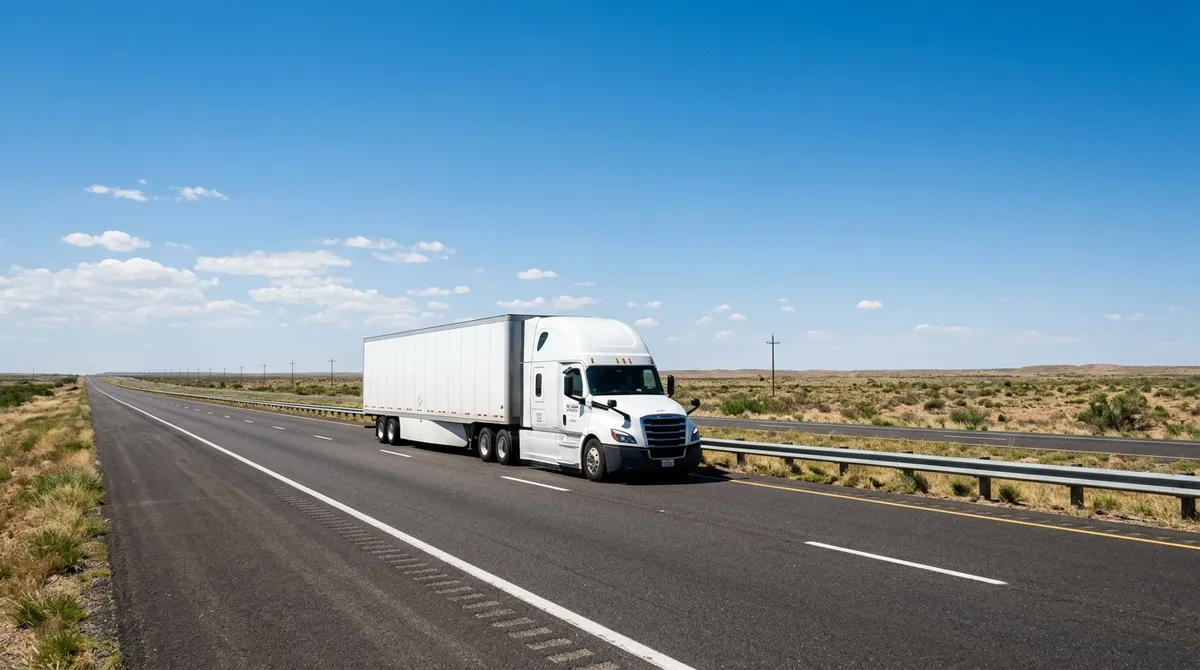
If you have a CDL and you're trying to figure out where to work in 2026, Texas deserves your full attention. The state moves more freight than anywhere else in the country — by a wide margin. Between the cross-border trade at Laredo, the petrochemical industry in Houston, the distribution corridors through Dallas, and the oil field flatbed demand across West Texas, there is no shortage of work here.
This guide breaks down the best trucking companies hiring in Texas right now, the corridors where freight moves, what types of loads pay well, and how to figure out which carrier is worth your time. Whether you're already based in Texas or considering a move, here's what you need to know.
Why Texas Is the Biggest Trucking Market in the US
Texas is the number one state for trucking by volume. That isn't marketing — it's logistics math. The state shares 1,254 miles of border with Mexico, hosts the busiest land port of entry in the Western Hemisphere (Laredo), and serves as the distribution backbone for the South-Central US.
A few things stack up in Texas's favor that don't exist anywhere else in combination:
- No state income tax. Owner-operators take home significantly more net revenue compared to states like California or New York.
- Year-round freight. No winter weather shutdowns, no seasonal dead zones. Loads keep moving.
- Massive industrial base. Energy, manufacturing, agriculture, tech (Austin), and automotive (Toyota's North American HQ is in Plano) all generate consistent freight demand.
- Proximity to Mexico. Cross-border trade is booming under nearshoring trends. Companies moving supply chains from Asia to Mexico need US-side carriers to handle the last leg — and Texas is that hub.
For CDL drivers, this translates to more options, more miles, and more leverage when negotiating pay. Texas is not a fallback market. It's the main event.
Top Freight Corridors in Texas
Knowing which corridors dominate helps you figure out where to base yourself and which carriers serve those lanes. The four that matter most:
| Corridor | Route | Primary Freight | Key Markets |
|---|---|---|---|
| I-35 | Laredo → San Antonio → Austin → Dallas → Oklahoma City | Cross-border import/export, dry van, refrigerated | Laredo, San Antonio, DFW |
| I-10 | El Paso → San Antonio → Houston → Louisiana | Petrochemical, manufactured goods, intermodal | Houston, San Antonio, El Paso |
| I-20 | Dallas → Fort Worth → Abilene → Midland → El Paso | Oilfield equipment, flatbed, pipe | DFW, Midland-Odessa (Permian Basin) |
| I-45 | Dallas → Corsicana → Houston | Dry van, tanker, consumer goods | Dallas, Houston |
I-35 is the highest-volume corridor. It connects the Laredo port directly to Dallas and beyond — virtually every cross-border load moving north touches this road. If you're a dry van or reefer driver, this is your money lane.
I-20 through the Permian Basin is where flatbed drivers earn. Midland-Odessa is one of the most active oilfield regions in the world, and the demand for pipe, heavy equipment, and steel is constant.
The Best Trucking Companies with Texas Operations
Several national carriers have major Texas terminals and actively recruit drivers for Texas-based runs. Here's how they compare:
| Carrier | Texas Presence | Freight Type | Driver Type | Notable Perk |
|---|---|---|---|---|
| J.B. Hunt | Major terminals in DFW, Houston, Laredo | Intermodal, dry van | Company, lease | Strong intermodal network; consistent freight volume |
| Schneider | Terminals in San Antonio, Houston, Dallas | Dry van, intermodal, tanker | Company, owner-op | Tanker division well-established in TX refineries |
| Werner Enterprises | Texas terminals statewide | Dry van, temperature-controlled | Company, lease | Good regional options; dedicated accounts available |
| STG Logistics | DFW, Houston, El Paso | Drayage, intermodal | Company, owner-op | Strong at port-to-distribution center moves |
| Tiger Lines | Texas-regional operations | Dry van, cross-border | Company drivers | Regional routes; home time focus |
Before you apply to any of these, read driver and public reviews — not just the carrier's website. You want to know what the dispatcher relationship looks like on day 90, not day one. Check carrier reviews on Oculus Reviews to see what real drivers say before you sign a contract.
Also, be aware of common warning signs before committing. Our guide on trucking company red flags covers the patterns that most drivers only recognize after it's too late.
Best Carriers for OTR Drivers Based in Texas
Not every driver wants regional or local. For OTR drivers who want to run long miles and use Texas as a home base, the freight math works well. You're positioned near one of the busiest export/import markets in North America, which means you rarely dead-head out of Texas empty.
OTR-focused options to evaluate:
- J.B. Hunt OTR Division — Strong consistency. Decent pay, predictable dispatch. Good if you want stability over top-end earnings.
- Schneider OTR — Better CPM options, especially if you have hazmat. Their tanker division out of Houston is one of the cleaner setups in the market.
- Werner Temperature-Controlled — If you're running reefer, Werner has solid produce and food-grade freight out of South Texas and Laredo. Pay is competitive and loads are consistent.
- Smaller regional carriers (under 500 trucks) — Often pay more per mile, offer more flexibility on home time, and treat drivers with more individual attention. The tradeoff is less brand recognition on your resume and sometimes older equipment. Worth evaluating on a case-by-case basis using driver reviews rather than company marketing.
For a broader comparison of national carriers worth working for, see our roundup of the best trucking companies to work for in 2026.
High-Demand Freight Types in Texas
Texas isn't a one-freight state. Here's where the real demand sits in 2026:
Tanker — Petrochemical & Fuel (Houston)
Houston is home to the largest petrochemical complex in the Western Hemisphere. Tanker drivers with hazmat endorsements (X endorsement = tank + hazmat) are in consistent demand and earn some of the highest CPM in the state. The barrier to entry is a hazmat endorsement and a clean record — both manageable. The payoff is real.
Flatbed — Oilfield & Construction
The Permian Basin in West Texas (Midland-Odessa area) still drives significant flatbed demand — pipe, casing, rig components, and heavy equipment. Construction activity across the entire state adds residential and commercial material moves. Flatbed pays well, but you're strapping and tarping in Texas heat. Compensation reflects that.
Dry Van — Cross-Border & Distribution
Dry van is the most common freight type in Texas because I-35 cross-border volume is massive. Consumer goods, auto parts, electronics, and manufactured products flow north from Mexico in dry van trailers constantly. DFW is also one of the top distribution hub markets in the country, generating dense local and regional dry van freight.
Refrigerated — Produce & Food-Grade
South Texas and the Rio Grande Valley produce significant agricultural output. Produce moving north — plus refrigerated goods crossing from Mexico — keeps reefer freight lanes active year-round. California-to-Texas and Texas-to-Midwest reefer lanes are strong and consistent.
The Laredo Advantage: Cross-Border Freight Explained
Laredo, Texas is the #1 land port of entry by trade value in the United States. In a typical year, it handles more than $300 billion in two-way trade between the US and Mexico. That is not a niche market — it's a freight ecosystem unto itself.
For CDL drivers, what this means practically:
- Volume never dries up. Even in soft freight markets, cross-border volumes hold better than domestic because nearshoring demand is structural, not cyclical.
- Specialized skills command a premium. Drivers who understand commercial import/export documentation, have FAST card approval, or speak Spanish have a real edge with carriers operating in Laredo.
- Mexican carriers hand off at the border. Most cross-border moves use a drayage system where a Mexican carrier brings the load to the crossing, and a US carrier picks it up for the domestic leg. The US-side driver doesn't need a SENTRI or border-crossing permit — just a clean record and a US CDL.
- Nearshoring is growing. Companies shifting manufacturing from China to Mexico (nearshoring) are creating a sustained increase in cross-border freight demand. This trend is early-stage, not peaking. Laredo is going to get busier over the next decade, not quieter.
If you want to be in the most active freight market in North America, Laredo and the I-35 corridor is it.
Texas CDL Requirements (Intrastate vs. Interstate)
Texas follows standard federal CDL classifications for drivers operating across state lines. Here's the breakdown:
- Interstate drivers (crossing state lines): Must be 21 or older. Federal FMCSA regulations apply. Standard CDL-A required for combination vehicles over 26,001 lbs with towed unit over 10,000 lbs.
- Intrastate drivers (within Texas only): Texas allows drivers aged 18–20 to operate commercial vehicles for intrastate commerce. This is one of the more driver-friendly rules in the country for younger drivers who want to get started.
- Hazmat endorsement: Required for tanker loads carrying hazardous materials. Requires TSA background check and knowledge test. Worth getting if you're targeting the Houston petrochemical market.
- Double/triple endorsement: Useful for certain intermodal and cross-border configurations, particularly out of Laredo.
- TWIC card: Not required statewide, but needed for drivers accessing port facilities in Houston and other secure cargo areas.
The 18-21 intrastate window is a real opportunity for younger drivers in Texas. You can build your record, get familiar with the state's major corridors, and hit 21 with meaningful experience already on your DAC report — which matters when you're applying to carriers with premium pay.
How to Find the Right Texas Carrier for You
The wrong carrier costs you six months, miles, and sometimes money. Here's how to evaluate your options before signing anything:
1. Read actual driver reviews — not just star ratings
Star ratings get gamed. What you want is the pattern across written reviews: how do dispatchers actually treat drivers? What happens when equipment breaks down? Does the company honor what they promised in the offer letter? Read the negative reviews as carefully as the positive ones.
2. Match the freight type to your endorsements and tolerance
If you hate tarping, don't chase flatbed pay. If heights or confined spaces bother you, avoid specialized or tanker. The highest-paying loads come with specific demands — make sure they match what you're willing to do for months on end.
3. Clarify home time before you sign
"Weekly home time" means different things at different carriers. Get the specifics: how many days per week? Does it count as time off or reset time? What happens when you're on a long OTR run and home time gets extended? These details matter at 11pm when you've been out for 12 days.
4. Verify the equipment situation
What year is the average truck in the fleet? Does the carrier use APUs? What's the breakdown policy? Are you responsible for any maintenance costs as a company driver? Older equipment in Texas summer heat is not a minor inconvenience — it's a daily quality-of-life issue.
5. Use driver review platforms
Don't rely on Indeed, Glassdoor, or Google Reviews for trucking carriers. These platforms don't verify employment, so former employees, competitors, and disgruntled one-timers all get equal weight. Platforms built for trucking — with employment verification built in — give you a cleaner signal.
Browse and compare trucking companies on Oculus Reviews — driver and public reviews, employment history, and real ratings from CDL holders who actually worked there.
FAQ: Trucking Companies Hiring in Texas
What trucking companies are hiring in Texas in 2026?
Top carriers actively hiring CDL drivers in Texas include J.B. Hunt, Schneider, Werner Enterprises, STG Logistics, and Tiger Lines. Many regional carriers focused on cross-border freight out of Laredo are also expanding. Use Oculus Reviews to filter by driver ratings before applying.
What CDL is required to drive in Texas?
Texas follows federal CDL requirements for interstate commerce. For intrastate (within Texas only), drivers aged 18–20 can legally operate commercial vehicles. Interstate drivers must be 21 or older. Class A CDL is required for combination vehicles over 26,001 lbs.
What freight pays the most in Texas?
Tanker freight — particularly petrochemical and fuel hauls out of Houston — pays among the highest in Texas due to hazmat endorsement requirements and specialized handling. Flatbed also pays well given oilfield and construction demand across West Texas.
Is Texas a good state for owner-operators?
Yes. Texas has no state income tax, the highest freight volume in the US, direct access to the Laredo Mexico crossing, and major fuel hubs along every major corridor. Owner-operators retain more of their gross earnings here than in most other states.
What is the Laredo port of entry and why does it matter for truckers?
Laredo, TX is the #1 land port of entry by trade volume between the US and Mexico. Hundreds of thousands of truck crossings happen here annually. It's the center of cross-border freight in North America, and drivers with documentation knowledge and FAST card approval are in high demand from carriers operating these lanes.
Find Your Next Carrier the Right Way
Applying blind wastes time and sometimes costs you money. Before you commit to any carrier in Texas, read what drivers who actually worked there have to say. Oculus Reviews uses employment verification so you're reading real feedback — not guesses.