Estes Express Driver Reviews 2026: $27–$36/hr LTL Pay
Estes Express Lines at a Glance
| Category | Details |
|---|---|
| Pay Range (hourly) | $27–$36/hr (city driver); varies by market and seniority |
| Annual Earnings | $65,000–$90,000 (full-time city driver) |
| Home Time | Home daily (most markets); LTL model |
| Equipment | Class 8 tractors, straight trucks, LTL trailers |
| FMCSA Safety Rating | Satisfactory |
| Freight Type | LTL (less-than-truckload) |
| HQ | Richmond, Virginia |
| Best For | Drivers who want LTL home-daily with strong company culture and long-term stability |
Estes Express Lines has been running LTL freight since W.W. Estes founded the company in 1931. It's one of the largest privately-held LTL carriers in the country — never gone public, still family-owned, and that ownership structure has shaped the company's culture in ways that show up directly in driver experience. If you're looking at LTL options and culture matters to you as much as pay, Estes deserves a close look.
The LTL Lifestyle: What Estes Driving Actually Looks Like
Before the specifics, a framework: LTL driving at Estes is a fundamentally different job than OTR. Where OTR drivers run full truckloads hundreds of miles and stay on the road for weeks, LTL city drivers at Estes execute local pickup and delivery routes each day and come home at the end of every shift.
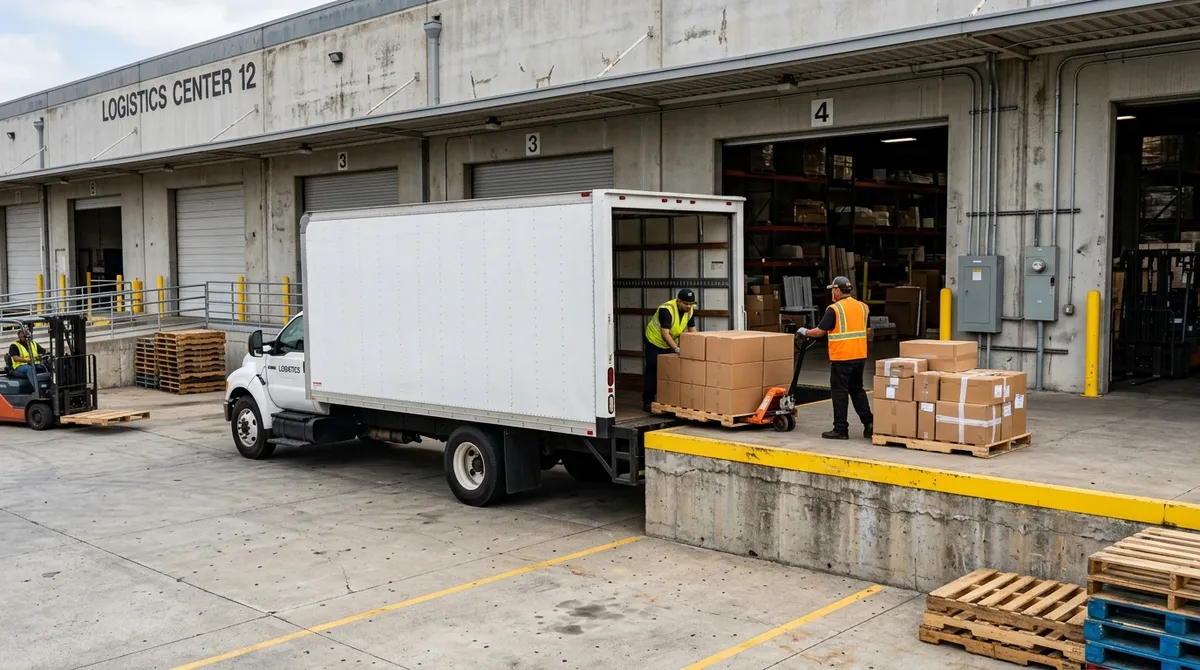
A typical Estes city driver day: arrive at the terminal, load or confirm your pre-loaded truck, execute a route of 10–20+ stops at businesses around your city, handle freight using a pallet jack or hand truck at each stop, interact with customer receiving staff, and return to the terminal. Then drive home. Every day. This is the trade that experienced OTR drivers make when they move to LTL — they give up the open road and the high CPM miles in exchange for their life back at home.
What Estes Express Drivers Say
Estes receives consistently above-average driver reviews across platforms in 2025 and early 2026, particularly on culture-related measures. The family-owned private company dynamic is a real differentiator that drivers notice: management tends to be more accessible, long-tenured employees are genuinely valued rather than just tolerated, and decisions about driver welfare don't get filtered through layers of public-company quarterly pressure.
Drivers on trucking forums specifically mention lower turnover at Estes compared to XPO and other large LTL carriers. The people who start at Estes tend to stay — which in a high-turnover industry is a signal worth paying attention to. Senior drivers with 15–20 years at Estes are not rare. That's nearly impossible to find at most OTR carriers and uncommon even at other LTL companies.
The pay is described as competitive with the LTL market but not the top of the segment. Estes doesn't routinely lead the market on wage rate announcements, but drivers generally report feeling fairly compensated given the total package: work-life balance, culture, equipment quality, and stability. Total compensation rather than peak hourly rate is the frame most Estes drivers use.
Terminal culture variation does exist — it's a large company operating across hundreds of terminals. Some terminals are consistently cited as well-managed. Others generate complaints about route assignment favoritism and communication gaps. The overall company average is better than most large LTL competitors, but specific terminal research still matters.
Pay: Real Numbers
Estes Express city drivers earn $27–$36 per hour in 2026, with market and seniority driving the spread. Annual gross earnings for full-time city drivers run $65,000–$90,000. Overtime during peak shipping seasons pushes totals higher for drivers who work it. Senior drivers in major markets with favorable routes can reach $90,000+ including overtime.
Linehaul drivers — running terminal-to-terminal freight on overnight or structured runs — have a different pay structure that combines mileage and hourly components. Linehaul earnings are competitive and sometimes exceed city driver earnings for drivers willing to work overnight schedules.
Benefits at Estes include medical, dental, vision, 401(k) with company match, and paid vacation that scales with tenure. The private company ownership means Estes isn't driven by the same public-company cost pressure that sometimes squeezes benefits at publicly traded carriers. The benefits package is solid without being exceptional. For most drivers, it's the culture and stability that create genuine loyalty rather than any single benefit line item.
Home Time
LTL is home-daily by design. Estes city drivers go home after every shift. This is the core lifestyle advantage of LTL over OTR and it's absolute, not aspirational. If you've spent years running OTR and wondering what it's like to see your kids every night, work at Estes or any LTL carrier will show you immediately.
Route start times vary — early morning starts for delivery routes are common. Peak season means mandatory overtime, and your scheduled end time will expand during high-volume periods. But the fundamental structure doesn't change: terminal start, route, terminal return, home. Every day.
Linehaul positions work overnight schedules, which means you're home during the day and working at night — a trade-off that suits some drivers and not others. The predictability of the schedule (same days, same routes over time) is significantly better than the unpredictability of OTR dispatch.
Equipment and Working Conditions
Estes Express runs a fleet of Class 8 tractors and straight trucks appropriate to route requirements, with a well-maintained LTL trailer pool. Equipment quality is cited as a consistent positive in driver reviews — Estes doesn't run tired, poorly maintained equipment.
City delivery work is physically active. Pallet jack and hand truck operations, dock interaction, and the physical demands of 15–20 stop routes add up over a shift. Drivers coming from OTR sometimes need a few weeks to adjust to the physical pace of LTL city work. It's different exercise than highway driving — more active, shorter distance, more repetitive physical tasks.
Customer-facing professionalism is part of the job. Estes represents itself at business locations across its service territory, and city drivers are the brand ambassadors at each delivery stop. Most drivers who thrive in LTL genuinely enjoy the customer interaction — the variety of stops and businesses makes the day more engaging than sitting in a cab for eight hours.
Who Should (and Shouldn't) Apply
Good fit for:
- OTR drivers who want to transition to home-daily LTL with a stable, well-regarded company
- Drivers who value company culture and long-term stability over chasing the highest hourly rate in the market
- Physically capable drivers who are comfortable with active freight handling as part of daily work
- Drivers building a 10–20 year career — the culture rewards tenure
Not a good fit for:
- Drivers who want the absolute highest LTL wage in the market — Estes is competitive but not always the top payer
- Drivers who want minimal customer interaction
- Drivers who specifically prefer Estes over competitors but live far from Estes terminal locations — check coverage in your market
How to Evaluate Estes Express Before You Sign
- Verify terminal coverage in your area. Estes has strong coverage across the U.S., but check that there's a terminal near you before comparing them to FedEx Freight or XPO.
- Research the specific terminal. Company-wide culture is above average, but specific terminal management still matters for day-to-day experience.
- Understand route assignment as a new hire. Seniority drives route preference at most LTL carriers. Ask what a new driver's route realistically looks like — timing, stop count, freight mix — before accepting.
- Calculate total compensation. Hourly rate plus overtime potential plus benefits plus stability value. Estes total comp is strong even when the headline rate isn't the market's highest.
- Ask about linehaul vs. city driver openings. Two different schedule and pay structures. Know which you're entering.
Review our guide on trucking company red flags before accepting any LTL offer. And compare Estes against the full LTL field in our best trucking companies to work for in 2026.
Read verified Estes Express driver reviews at Oculus Reviews. Real drivers, real employment verification, terminal-specific feedback.
FAQ
What does Estes Express pay LTL drivers in 2026?
City drivers earn $27–$36 per hour. Annual earnings for full-time city drivers run $65,000–$90,000. Overtime during peak seasons and senior driver positions in major markets push toward the top of that range.
Is Estes Express Lines a publicly traded company?
No. Estes has been privately held since 1931 and remains family-owned. Not publicly traded. This ownership structure is a genuine differentiator in how the company is managed relative to public-company LTL carriers.
Do Estes Express drivers go home daily?
Yes. City drivers handle local pickup and delivery routes and return home each day — that's the LTL model. Linehaul drivers run overnight scheduled runs with predictable schedules. No OTR lifestyle in LTL positions.
How is the culture at Estes Express Lines?
Consistently above average in driver reviews. Family ownership shows up in management accessibility, respect for driver tenure, and lower turnover than most large LTL carriers. Terminal-level culture still varies — specific terminal research matters.
What equipment does Estes Express run?
Class 8 tractors and straight trucks with LTL trailers. Well-maintained fleet — equipment quality is consistently cited as a positive. Drivers don't report being put in poorly maintained trucks.
About the Author
CDL driver since 2016, owner-operator, fleet operator. Co-founder of Oculus Reviews.
Join Oculus Reviews Today
Create your free account and start building your professional trucking reputation.
Related Articles

How Trucking Companies Can Improve Their Online Reputation in 2026
A practical 2026 guide for carriers: claim your profile, respond to driver reviews, fix what drivers complain about, and turn reputation into recruiting.

Why Driver Reviews Are the Future of Trucking Recruitment
Verified driver reviews are reshaping trucking recruitment as leverage shifts to drivers. Why reputation data now decides which carriers attract and keep talent.

Werner Enterprises Driver Reviews 2026: Dollar General Pay
Werner drivers reveal real pay ranges, the Dollar General dedicated account pros and cons, DAC report risks, and is Werner still worth signing on in 2026?