FedEx Freight Driver Reviews 2026: $28–$38/hr LTL Pay
FedEx Freight at a Glance
| Category | Details |
|---|---|
| Pay Range (hourly) | $28–$38/hr (city driver); varies by market and seniority |
| Annual Earnings | $70,000–$100,000+ (full-time city driver) |
| Home Time | Home daily (most markets); linehaul: structured runs |
| Equipment | Straight trucks and Class 8 tractors; LTL trailers |
| FMCSA Safety Rating | Satisfactory |
| Freight Type | LTL (less-than-truckload), dock-to-door delivery |
| HQ | Memphis, Tennessee (FedEx Corp) |
| Best For | Drivers who want home daily, excellent benefits, and career stability |
If you've been running OTR and wondering what life looks like on the other side — home every night, benefits that actually rival office jobs, and a structured schedule — FedEx Freight is one of the best examples of what LTL driving offers. The trade-off is a completely different kind of work day: multiple stops, customer interaction, physical freight handling, and the pace and precision of city delivery routes rather than highway miles. This review covers both the opportunity and the reality.
LTL vs. OTR: The Lifestyle Difference
Before getting into FedEx Freight specifics, it's worth explaining what LTL driving actually is — because it's a fundamentally different job than OTR trucking, not just a version of it.
In OTR, you pick up one full truckload from point A and deliver it to point B, usually hundreds of miles away. You spend days or weeks on the highway. Customer interaction is minimal.
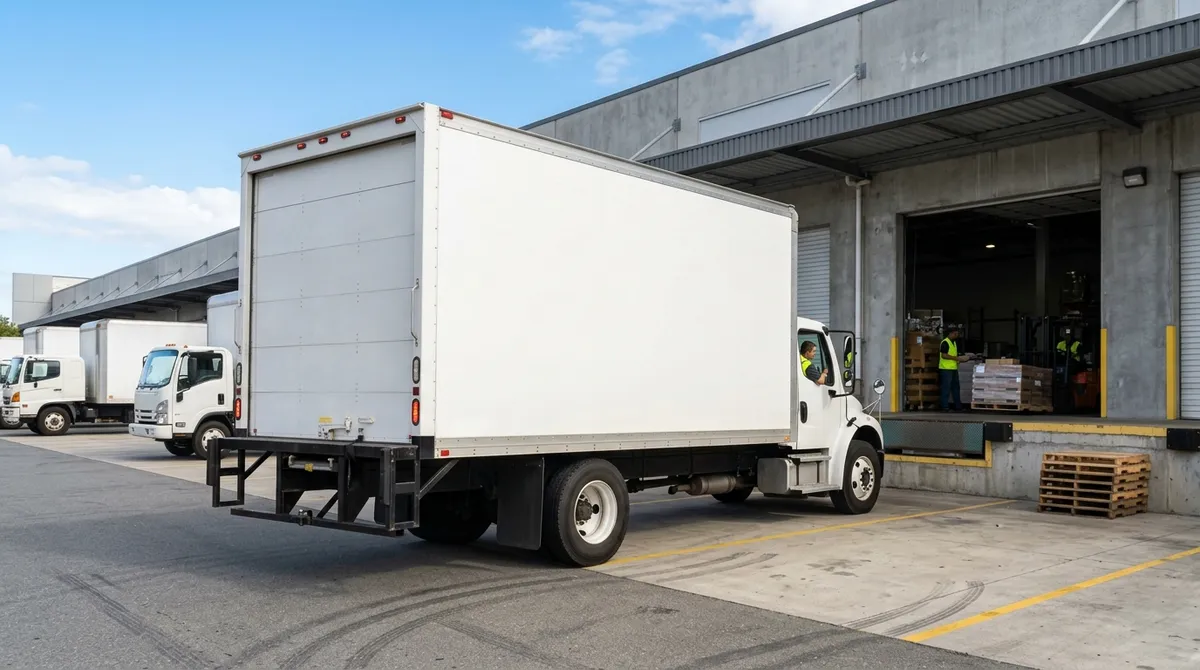
In LTL at FedEx Freight, your day looks like this: you start at a terminal, load multiple shipments onto your truck (or it's pre-loaded), and then execute a route of 10–20+ pickup and delivery stops at business locations around your city. You interact with customers at each stop. You use a pallet jack or hand truck. You're back at the terminal by end of your shift. You go home. Every day.
The work is physical in a different way than OTR — less sitting, more moving freight. The customer service expectation is higher. And the schedule is structured in a way that OTR never is. For drivers with families, the lifestyle difference is dramatic.
What FedEx Freight Drivers Say
Drivers on trucking forums in 2025 and early 2026 consistently rank FedEx Freight as one of the most desirable LTL employers. The positives dominate: the pay is strong, the benefits are genuinely exceptional by trucking industry standards, home time is real, and the FedEx brand name provides a degree of job security that smaller carriers can't match.
The critiques that show up are specific rather than general. Management culture varies significantly by terminal — FedEx is a massive company and local management quality drives day-to-day experience. Some terminals are described as well-run with professional management. Others generate complaints about favoritism in route assignments, poor communication, and high pressure during peak seasons.
Physical demands are a consistent theme. New LTL drivers sometimes underestimate how physically demanding the dock-to-door work is, particularly on stops that involve stair deliveries, tight dock access, or heavy pallet weights. Drivers who come from OTR sometimes note that they're more tired after an LTL city route than after a 500-mile highway day — the pace and physical engagement are different.
Seniority matters at FedEx Freight more than at many carriers. Route assignments, schedule preferences, and vacation priority all operate on seniority. New drivers get what's left. It takes time to work into the better routes and more favorable schedules. Patience on entry is required.
Pay: Real Numbers
FedEx Freight pays on an hourly basis rather than CPM — which is the norm for LTL. City drivers earn $28–$38 per hour in 2026, varying by market and seniority. High-cost-of-living markets (California, New York, the Pacific Northwest) trend toward the top of that range. Midwest and Southeast markets sit in the middle. With full-time hours, annual gross earnings run $70,000–$95,000 for most city drivers. Senior drivers in major markets report exceeding $100,000 annually.
Linehaul drivers — who handle terminal-to-terminal runs rather than city delivery — operate under a different pay structure with mileage and hourly components. Linehaul positions typically run overnight or on non-traditional shifts.
Benefits deserve special attention because they're a major differentiator. FedEx Freight offers:
- Comprehensive medical, dental, and vision coverage with employee premiums that are low relative to most trucking carriers
- 401(k) with company match
- Profit-sharing contributions
- Paid vacation, rising with tenure
- FedEx employee discounts on shipping services
- Defined benefit pension components for eligible employees (varies by hire date and classification)
Total compensation at FedEx Freight — wages plus benefits — is genuinely competitive with many white-collar jobs in similar metro areas. This is why the wait lists exist at desirable terminals.
Home Time
This is where LTL wins the lifestyle argument decisively against OTR. FedEx Freight city drivers are home every day in most markets. Your shift starts at the terminal, you execute your route, and you return to the terminal at the end of the day. You drive home in your personal vehicle. This is the norm, not the exception.
Linehaul positions involve different schedules — overnight runs, weekend work, and occasionally multi-day runs — but even linehaul is structured on a schedule that's predictable week to week. The "gone for three weeks" reality of OTR does not exist in LTL.
The trade-off: LTL schedules can involve early mornings (5am–6am terminal start times are common), and peak seasons mean mandatory overtime. During holidays and peak shipping periods, LTL drivers work long days and Saturdays. But you still come home at the end of each day.
Equipment and Working Conditions
FedEx Freight runs a mix of straight trucks (box trucks) for lighter city routes and Class 8 tractors with LTL trailers for heavier freight and longer city radius runs. Equipment is generally modern and well-maintained — the FedEx brand demands a clean, professional appearance.
City driver working conditions include the full range of urban delivery environments: loading docks at warehouses, tight retail delivery locations, business parks with difficult access, and occasionally residential stops. A pallet jack and hand truck are standard tools of the trade. Upper-body strength and physical stamina matter more than in OTR.
Dock work at the terminal is part of the job for some shifts. Freight sorting, loading, and unloading at the terminal before and after routes is physically demanding. Drivers who underestimate the dock work component sometimes find it more challenging than the driving itself.
Customer interaction is a real part of the job. FedEx Freight drivers are representing one of the most recognized brands in America at every stop. Professional appearance, courteous interaction, and problem-solving at difficult stops are all part of the job description. Drivers who enjoy customer contact thrive here. Drivers who want minimal human interaction should stay in OTR.
Who Should (and Shouldn't) Apply
Good fit for:
- OTR drivers who want to come off the road and be home daily with their families
- Drivers who value benefits and long-term job stability over maximum CPM earnings
- Physically capable drivers who don't mind active freight handling as part of their workday
- Drivers who are comfortable with customer interaction and representing a professional brand
- Drivers planning a 10–20 year career at one company — seniority rewards loyalty
Not a good fit for:
- Drivers who prefer highway miles and solitude over city delivery routes with multiple stops
- New CDL holders — FedEx Freight is selective and most openings require experience and a clean record
- Drivers who don't want customer interaction as part of their daily job
- Drivers who want to maximize immediate CPM earnings — LTL hourly pay is competitive but structured differently
How to Evaluate FedEx Freight Before You Sign
- Understand that LTL is a different job. Walk through what your daily city route actually looks like — number of stops, freight weights, terminal hours — before comparing pay to OTR on a CPM basis.
- Ask about the specific terminal. FedEx Freight terminal culture varies. Research reviews for the specific terminal you'd be based at, not just company-wide ratings.
- Understand seniority implications. Ask what routes and schedules are available to a new hire, not what top seniority drivers get. Your early months at FedEx Freight will involve less desirable assignments.
- Calculate total compensation. Add in the value of benefits — especially health insurance and 401(k) matching — when comparing to OTR or other LTL offers. The headline hourly rate undersells total compensation.
- Check your MVR. FedEx Freight is selective. Know your driving record before applying so there are no surprises.
See the full picture of what to watch out for in any carrier offer at our trucking company red flags guide. Compare FedEx Freight against other LTL and OTR options in our best trucking companies to work for in 2026.
Read verified FedEx Freight driver reviews at Oculus Reviews. LTL and OTR drivers both — employment-verified, real feedback.
FAQ
What does FedEx Freight pay drivers in 2026?
City drivers earn $28–$38 per hour depending on market and seniority. Annual earnings range from $70,000–$95,000+ for full-time drivers. Senior drivers in major markets often exceed $100,000 when including overtime and profit-sharing.
Do FedEx Freight drivers go home daily?
Yes, in most markets. City drivers execute local pickup and delivery routes and return to the terminal each day. Linehaul drivers run structured overnight or multi-day routes but still have far more schedule predictability than OTR.
What is the difference between FedEx Freight and OTR trucking?
FedEx Freight is LTL — multiple stops per day on local routes, home daily, customer-facing, physical freight handling. OTR is full truckload, hundreds of miles per run, weeks away from home, minimal customer contact. Different jobs entirely.
How are the benefits at FedEx Freight?
Exceptional by trucking industry standards. Comprehensive health coverage with relatively low employee premiums, 401(k) with company match, profit-sharing, paid vacation, and pension components for eligible employees. Total compensation is one of the best packages in the industry.
Is FedEx Freight hard to get hired at?
Yes. Clean MVR, solid driving record, CDL-A, and a professional presentation are expected. Competition for openings at desirable terminals is real. Know your record before applying.
What is dock-to-door delivery at FedEx Freight?
City drivers load freight at the terminal dock and deliver it directly to customer business locations — 10–20+ stops per day using pallet jacks and hand trucks. It's physically active work that looks very different from OTR highway driving.
About the Author
CDL driver since 2016, owner-operator, fleet operator. Co-founder of Oculus Reviews.
Join Oculus Reviews Today
Create your free account and start building your professional trucking reputation.
Related Articles

How Trucking Companies Can Improve Their Online Reputation in 2026
A practical 2026 guide for carriers: claim your profile, respond to driver reviews, fix what drivers complain about, and turn reputation into recruiting.

Why Driver Reviews Are the Future of Trucking Recruitment
Verified driver reviews are reshaping trucking recruitment as leverage shifts to drivers. Why reputation data now decides which carriers attract and keep talent.
Werner Enterprises Driver Reviews 2026: Dollar General Pay
Werner drivers reveal real pay ranges, the Dollar General dedicated account pros and cons, DAC report risks, and is Werner still worth signing on in 2026?