Maverick Transportation Reviews 2026: Flatbed Pay & Tarping
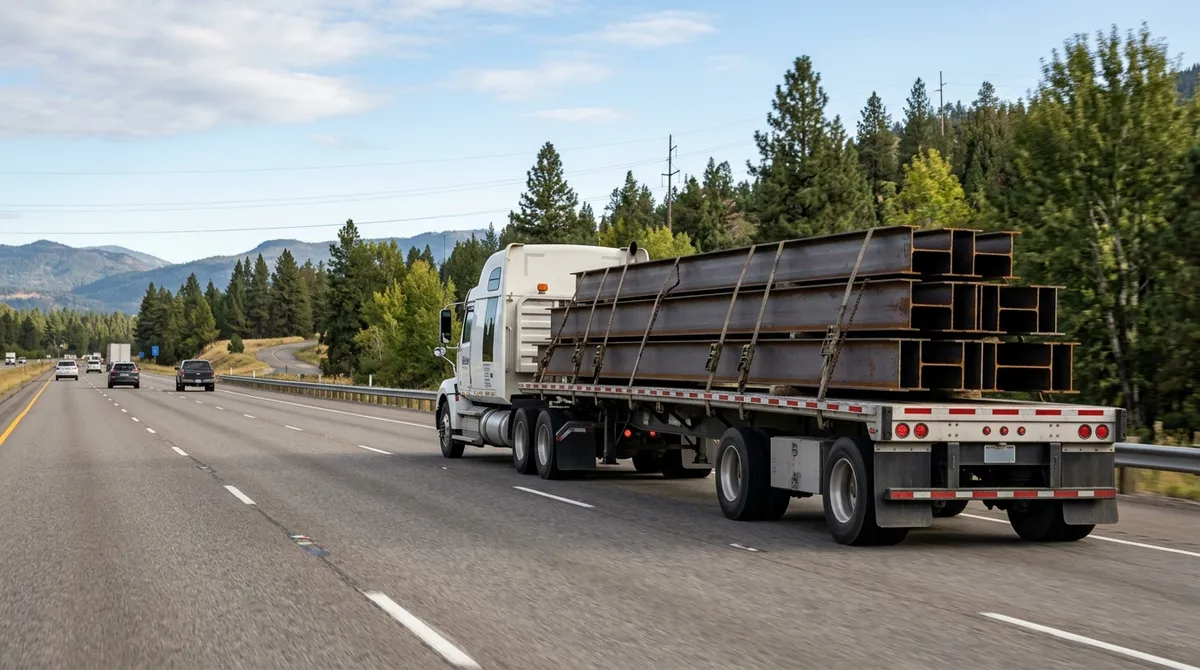
Maverick Transportation at a Glance
| Category | Details |
|---|---|
| Pay Range (CPM) | $0.57–$0.68 CPM (experienced flatbed OTR) |
| Annual Earnings | $65,000–$90,000 |
| Home Time | OTR: 2–3 days per 3–4 weeks out; regional options available |
| Equipment | Flatbed, step deck, open deck specialty; Kenworth/Peterbilt tractors |
| FMCSA Safety Rating | Satisfactory |
| Freight Type | Flatbed / open deck OTR |
| HQ | Little Rock, Arkansas |
| Best For | Experienced drivers who want above-average flatbed pay and don't mind the physical work |
Maverick Transportation operates in a segment of trucking that commands premium pay for good reason: flatbed and open deck freight is physically demanding, requires specialized skills, and carries higher cargo securement liability than dry van work. Based in Little Rock, Arkansas, and part of the USA Truck family of companies, Maverick has built a reputation as one of the better-paying flatbed carriers in the industry. But the pay premium comes with real trade-offs that any candidate needs to understand before accepting an offer.
What Maverick Transportation Drivers Say
Drivers on trucking forums consistently identify Maverick as a solid flatbed carrier — not the biggest name in the space, but a company where the pay is real and the freight keeps moving. The positive themes are consistent: miles are available, equipment is in reasonable shape, and the flatbed pay is above what you'd earn running dry van at comparable companies.
The honest reality check that experienced drivers add: flatbed is hard work. Tarping loads in bad weather, securing heavy machinery at industrial sites, and managing the physical demands of open deck freight are not for everyone. Drivers who thrive at Maverick tend to be people who accept that reality and factor it into their career decision. Drivers who expected "it won't be that bad" frequently leave within the first several months.
Dispatch communication gets mixed reviews. Some drivers report strong dispatcher relationships with good load planning. Others describe inconsistent communication and loads that route them away from home territory without explanation. This is a recurring theme across flatbed carriers where load availability is driven by industrial freight patterns rather than predictable consumer goods lanes.
Management culture at Maverick is described as professional and generally fair, without the complaints about heavy-handed dispatch that show up at some larger carriers. The company is smaller enough that drivers sometimes describe actually being able to talk to someone who knows their situation — not entirely anonymous in the system.
Pay: Real Numbers
Experienced flatbed OTR drivers at Maverick earn $0.57–$0.68 CPM in 2026. That's a genuine premium over the dry van market — comparable experience-level dry van drivers typically earn $0.50–$0.60 CPM at the same tier of carriers. The premium reflects the additional skill, liability, and physical work involved in open deck freight.
Tarping pay is additional compensation on top of the base CPM, paid per tarp applied. Rates vary by load but experienced drivers report tarping pay adding meaningfully to weekly earnings on loads requiring multiple tarps or complex securement. When calculating total compensation, tarping pay and other accessorials (detention, stop pay, scale tickets) are real contributors that push annual gross higher than the CPM alone suggests.
Annual earnings for consistent Maverick flatbed drivers fall in the $65,000–$90,000 range. Top performers who maximize miles and benefit from tarping-heavy industrial freight can reach the top of that range or beyond. Benefits include medical, dental, vision, 401(k), and paid vacation — standard competitive package for a carrier in this size bracket.
Home Time
Maverick's OTR flatbed operation runs the standard equation: 2–3 days home per 3–4 weeks out. That's industry-standard OTR math. Flatbed freight patterns don't always favor frequent home time because load availability is tied to industrial and manufacturing sites that don't cluster by driver home region the way consumer goods do.
Regional and dedicated flatbed positions exist at Maverick and offer better home time for drivers who qualify and live in the right areas. These positions aren't always available and typically require proven flatbed experience. If home time frequency is a priority, ask specifically about regional availability in your area before accepting a straight OTR flatbed offer.
The physical demands of flatbed work also affect quality of home time. Drivers who spend weeks securing heavy loads and tarping in weather arrive home more physically fatigued than dry van counterparts. This is part of the honest calculation that experienced flatbed drivers factor into career decisions — the money is better but the job takes more out of you.
Equipment and Working Conditions
Maverick runs Kenworth and Peterbilt tractors matched to a flatbed, step deck, and open deck trailer fleet. The tractor fleet is generally well-maintained. Flatbed and step deck trailers get the physical wear that comes with industrial freight loading, and trailer quality is more variable than tractor quality — an honest reality for any flatbed carrier.
Securement equipment — tarps, straps, binders, chains — is provided but condition matters. Experienced flatbed drivers know to check their securement gear before accepting a load. Maverick's maintenance operation does provide equipment, but drivers consistently advise verifying condition on every trip start rather than assuming everything is in spec.
Working conditions at delivery and pickup sites vary enormously with industrial flatbed freight. Some sites are well-organized with ground-level loading, forklifts, and professional dock staff. Others are challenging environments — tight lots, improperly secured shipper-loaded freight, and facilities that don't prioritize driver safety. Open deck drivers develop situational awareness for these environments quickly or don't last long.
Weather is a real factor in open deck work. Tarping a full load in rain, wind, or cold is unpleasant work. Flatbed drivers earn their pay premium in those conditions, and it's not an abstraction — it's a physical reality every driver should be clear-eyed about before choosing flatbed over dry van.
Who Should (and Shouldn't) Apply
Good fit for:
- Experienced OTR drivers who want to transition into flatbed for the pay premium
- Drivers who are physically capable of tarping, chaining, and securing heavy industrial loads
- Drivers who enjoy the variety of industrial freight — construction materials, machinery, steel products — over the repetitive nature of dry van
- Drivers who prioritize total annual earnings and are willing to work for them
Not a good fit for:
- Drivers with physical limitations that affect their ability to work on decks, tarp, or climb in variable conditions
- New CDL holders without prior OTR experience — flatbed requires developed skills before adding the open deck complexity
- Drivers who prioritize frequent home time over earnings
- Drivers who want predictable, scheduled freight patterns — industrial flatbed is inherently less predictable than consumer goods lanes
How to Evaluate Maverick Transportation Before You Sign
- Be honest with yourself about the physical demands. Tarping is real work. If you haven't done it before, ask to understand what a typical load looks like in terms of securement requirements.
- Ask about tarping pay rates specifically. Get the per-tarp rate and ask drivers in forums what a typical week's tarping pay looks like for the lanes you'd be running.
- Verify regional position availability in your area. If home time matters, don't accept a straight OTR offer and hope a regional position opens up — ask upfront.
- Ask about the freight mix. Are you primarily running steel, lumber, construction equipment, machinery? The freight type affects both securement complexity and delivery site conditions.
- Check FMCSA data. Look at Maverick's crash and inspection scores at the FMCSA website. For open deck freight carriers, SMS data is particularly relevant.
Before making your decision, review our guide on trucking company red flags. See how Maverick stacks up against the full flatbed and OTR market in our best trucking companies to work for in 2026.
Read verified Maverick Transportation driver reviews at Oculus Reviews. Real flatbed drivers, verified employment, no recruiter spin.
FAQ
What does Maverick Transportation pay flatbed drivers in 2026?
Experienced flatbed OTR drivers earn $0.57–$0.68 CPM, above the dry van market average. Tarping pay adds to the base CPM. Top performers gross $70,000–$90,000+ annually including accessorials.
Does Maverick Transportation require tarping?
Yes. Tarping is standard for much of Maverick's freight mix. Tarping pay compensates for the additional work, but the physical demands are real. Know what you're signing up for before accepting a flatbed position.
Is Maverick Transportation good for new flatbed drivers?
They accept drivers transitioning from dry van through orientation. Prior OTR experience is strongly recommended. New CDL holders without prior OTR time should get some dry van miles under their belt before attempting open deck.
Where is Maverick Transportation headquartered?
Little Rock, Arkansas. Part of the USA Truck family of companies. Operates nationally with strength in industrial freight corridors.
How is home time at Maverick Transportation?
OTR flatbed averages 2–3 days home per 3–4 weeks out. Regional and dedicated positions with better home time exist but aren't available in all markets. Ask specifically before accepting an OTR offer if home time frequency is a priority.
About the Author
CDL driver since 2016, owner-operator, fleet operator. Co-founder of Oculus Reviews.
Join Oculus Reviews Today
Create your free account and start building your professional trucking reputation.
Related Articles

How Trucking Companies Can Improve Their Online Reputation in 2026
A practical 2026 guide for carriers: claim your profile, respond to driver reviews, fix what drivers complain about, and turn reputation into recruiting.

Why Driver Reviews Are the Future of Trucking Recruitment
Verified driver reviews are reshaping trucking recruitment as leverage shifts to drivers. Why reputation data now decides which carriers attract and keep talent.
Werner Enterprises Driver Reviews 2026: Dollar General Pay
Werner drivers reveal real pay ranges, the Dollar General dedicated account pros and cons, DAC report risks, and is Werner still worth signing on in 2026?