Old Dominion Freight Line Reviews 2026: $70K–$95K Pay
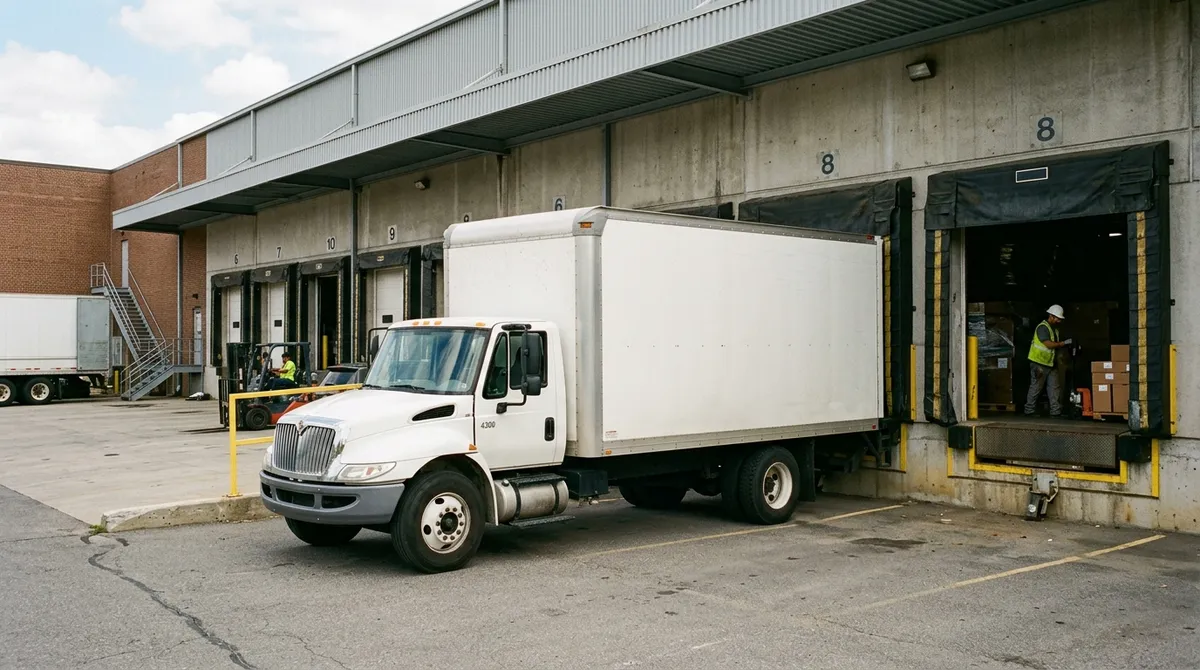
By Max Dmytrov • Published • 9 min read
Old Dominion Freight Line has a reputation that tends to precede itself in the trucking world. Ask experienced CDL drivers about LTL pay, and ODFL's name comes up fast. Ask about home time on LTL runs, same answer. So when drivers start seriously considering the company, they usually already know the headline — the question is whether the reality holds up.
This review pulls together what drivers are actually saying in 2026, what the numbers look like, and what you need to know before submitting an application. No spin. No recruitment pitch. Just the real picture.
1. Old Dominion at a Glance
Old Dominion Freight Line was founded in 1934 and is headquartered in Thomasville, North Carolina. It operates as a national LTL (less-than-truckload) carrier, meaning each truck picks up freight from multiple shippers going to multiple destinations — unlike a dedicated or truckload carrier where one shipment fills the trailer.
ODFL runs over 250 service centers across the U.S. and employs tens of thousands of drivers. The company has been consistently profitable and is known in the industry for operational efficiency and service reliability — both of which translate directly into driver experience.
| Category | Details |
|---|---|
| Carrier Type | LTL (less-than-truckload) |
| Headquarters | Thomasville, NC |
| Driver Pay Range | $70,000–$95,000/yr; top earners $100K+ |
| Home Time | Daily or near-daily for most routes |
| CDL Required | Class A |
| Experience Required | 1+ year verifiable CDL-A experience |
| Equipment | Newer trucks, well-maintained fleet |
| Benefits | Health, dental, vision, 401(k) with match, paid vacation |
| Turnover Rate | Low — many drivers with 10+ years at the company |
| Physical Demand | High — multiple stops, loading/unloading, customer-facing |
2. LTL vs. OTR: Understanding the Old Dominion Lifestyle
Before you evaluate any LTL carrier, you need to understand what LTL actually means for your daily life — because it's a fundamentally different job than OTR or dedicated freight.
OTR drivers who make the switch to LTL often describe it as a different career, not just a different employer. The truck-driving piece is familiar. Everything around it — the dock work, the multiple customer stops, the paperwork, the customer service element — is new territory for someone used to point-to-point hauling.
That adjustment period is real. Drivers who stick it out past the first six months almost always find the trade-off worth it. The ones who leave early usually cite the physical grind or the backing pressure, not the pay or the company itself.
3. Pay at Old Dominion: Real Numbers
Pay is the reason most drivers seriously consider Old Dominion. ODFL is consistently at or near the top of the LTL pay scale nationally, and the compensation structure is more transparent than many carriers.
Here's what drivers are reporting in 2026:
- Entry-level (1–2 years at ODFL): $60,000–$72,000/year — lower end reflects part-time dock work or shorter routes early in tenure
- Experienced city drivers (3–7 years): $75,000–$88,000/year
- Senior drivers on high-volume runs: $90,000–$100,000+
- Linehaul drivers (overnight runs between terminals): Some report $95,000–$110,000 with the added mileage pay
Old Dominion uses a combination of hourly pay and mileage-based pay depending on the run type. City delivery drivers are typically paid hourly; linehaul drivers are mileage-based. Overtime is common, especially during peak freight periods, and most drivers welcome it since ODFL is generally not one of those carriers that cuts your hours without explanation.
Benefits are solid: medical, dental, vision, life insurance, short-term disability, 401(k) with company match, paid vacation, and paid holidays. The health plan quality varies by terminal and employee contribution level, but most reviews in 2026 rate it above average for the industry.
Pay raises follow a progression schedule tied to years of service rather than performance reviews, which drivers tend to prefer — no guessing, no politicking, just clock the time and the raise comes.
For more context on where ODFL stands across the broader market, see our breakdown of the highest-paying trucking jobs in 2026.
4. What Old Dominion Drivers Love
Pull up any driver forum, Facebook group, or trucking review site and the same themes show up repeatedly from ODFL employees. These are the consistent positives:
Home time that actually happens
Home daily is not a recruitment promise that evaporates after you sign. LTL operations run on fixed terminal-to-customer routes, which means most drivers genuinely see their families every evening. This alone is a career-changer for anyone coming off OTR who has missed birthdays, anniversaries, and first steps.
Equipment that gets maintained
Old Dominion's fleet is not the oldest on the road, and more importantly, maintenance gets done. Drivers report that breakdown response is fast, mechanical complaints get taken seriously, and the company doesn't run equipment into the ground before addressing problems. For drivers who've spent years fighting for truck repairs at smaller carriers, this feels like a different world.
Low drama, professional culture
ODFL is known as a structured, professionally run company. That cuts both ways — there is bureaucracy — but the day-to-day experience tends to be orderly. Routes are consistent. Dispatch communication is reasonably clear. Most drivers describe the terminal culture as "professional" rather than chaotic.
Long-tenured co-workers
Low turnover isn't just a stat — it shapes the culture of a terminal. When most of your colleagues have been there for five, ten, or fifteen years, there's a different energy than at a company with 80% annual turnover. Institutional knowledge exists. People know the routes, the customers, the quirks of the equipment.
Stability
ODFL has remained consistently profitable through freight market cycles that wiped out or severely damaged competitors. Drivers who've been around long enough to experience multiple downturns value that stability in a way that's hard to quantify but easy to feel when your paycheck doesn't change and your terminal doesn't close.
5. The Physical Demands: What Nobody Tells You
Here's where a lot of LTL job listings fall short: they mention "some physical activity" when the more honest description is "this is a physical job first, a driving job second."
On a typical city delivery run at Old Dominion, you might make 12 to 20 stops in a shift. At each stop, you're pulling freight, operating a pallet jack, sometimes hand-bombing boxes, interacting with receiving staff, and then backing back out to the next stop. Your body absorbs that every day.
Drivers who come from flatbed or tanker work — where physical labor is already baked in — tend to adapt faster. Drivers who've spent years in a van truckload operation where drop-and-hook was the standard often find the adjustment brutal for the first month or two.
The backs, knees, and shoulders of long-tenured LTL drivers tell a story. This is not alarmist — it's relevant information for anyone evaluating a 10-20 year career trajectory. Many ODFL veterans manage it fine by developing smart habits: proper lifting mechanics, pacing, using equipment rather than brute force. But the physical wear is real, and it accumulates.
If you have existing knee or back problems, get honest with yourself about this before applying. The job will likely make those worse over time, not better.
The backing reality
LTL drivers back into tight docks, often in congested commercial areas with limited room for error. Multiple times per shift. In all weather. With customers watching. This is a skill that takes time to develop, and it's one of the primary reasons drivers wash out of LTL early — not because they can't drive, but because the precision backing in constrained spaces is genuinely harder than most open-road driving experience prepares you for.
If you're new to LTL, expect a learning curve measured in months, not weeks. Most experienced ODFL drivers say it clicked around the three to six month mark.
6. How to Get Hired at Old Dominion
Old Dominion is not the easiest carrier to get into, which is partly why the workforce is stable. They are selective, and they have the applicant volume to be that way.
Basic requirements
- Class A CDL — required, no exceptions
- 1+ year of verifiable CDL-A driving experience — new CDL graduates are rarely hired directly; most ODFL drivers came in with experience from another carrier
- Clean MVR — no DUI/DWI, no reckless driving, no more than 1–2 preventable accidents or moving violations in the past 3 years
- DOT physical clearance
- Drug test (pre-employment)
- Background check
What helps your application
Prior LTL experience is a significant advantage and will often move you ahead in the process. P&D (pickup and delivery) experience — even at a smaller carrier — shows you understand multi-stop routes and customer interaction. A spotless MVR for 3+ years essentially removes you from the reject pile immediately.
The interview process typically includes an in-person skills evaluation — backing maneuvers, a road test — in addition to the standard paperwork and background check. If your backing skills are rusty, practice before you show up. This is not the place to figure that out under pressure.
Where to apply
Apply directly through the Old Dominion careers site or visit your nearest service center. Third-party recruiting sites can get your information in front of them, but direct applications tend to move faster. If you know a current ODFL driver, a referral carries weight at most terminals.
7. Old Dominion vs. Other LTL Carriers
Old Dominion isn't the only quality LTL carrier on the road. Here's how it stacks up against the most common alternatives drivers compare it to:
| Carrier | Pay | Home Time | Turnover | Notable Notes |
|---|---|---|---|---|
| Old Dominion | $$ | Daily | Very Low | Top LTL pay; high physical demand |
| FedEx Freight | $$ | Daily | Low | Similar pay; larger network; union at some terminals |
| Estes Express | $$ | Daily | Low | Strong Southeast presence; competitive but slightly below ODFL |
| Saia | $$ | Daily | Low | Growing network; solid pay; strong culture |
| XPO Logistics | $$ | Daily (most) | Moderate | Large network; mixed driver reviews; operational inconsistency |
| ABF Freight | $$ | Daily | Very Low | Teamsters union; top wages; hardest to get into |
The takeaway: Old Dominion sits in the top tier for LTL pay and stability. ABF (union) edges them on raw wage in some markets, and FedEx Freight is effectively in the same pay bracket. Where ODFL tends to win long-term driver loyalty is in operational consistency — routes are stable, management is relatively predictable, and the company's financial health gives drivers confidence their jobs aren't going anywhere.
For a broader comparison across all carrier types, check out our guide to the best trucking companies to work for in 2026.
8. Is Old Dominion Right for You?
Old Dominion is a genuinely good company for the right driver. The question is whether you're that driver.
You'll probably thrive at ODFL if:
- You want to be home every night and that's non-negotiable
- You're physically fit and don't mind hard work as part of the job
- You can back a 53-foot trailer into tight commercial docks without losing your composure
- You're comfortable with customer-facing interaction — deliveries go to businesses, not just docks
- You want a career, not a job — people with 20 years at ODFL are not unusual
- You value stability and predictability over high-variance income
You'll probably struggle if:
- You dislike physical work — the dock and delivery side isn't something you can avoid
- Tight backing situations make you anxious (you can learn, but it takes time)
- You'd rather talk to no one all day — customer interaction is part of every shift
- You're coming straight from CDL school — ODFL wants experience, and they'll see it immediately if you don't have it
- You're expecting OTR-style freedom — this is a structured, route-based operation
LTL isn't for everyone. That's not a knock — it's just honest. The drivers who figure that out before they apply save everyone time. The ones who figure it out after six months of grinding through a job that doesn't fit them would have been better served by a realistic picture from the start.
9. Frequently Asked Questions
How much do Old Dominion drivers make in 2026?
Most experienced Old Dominion drivers earn between $70,000 and $95,000 per year. Top performers on high-volume routes regularly clear $100,000 or more. Pay is higher than most regional and OTR carriers, though it comes with more physical work.
Do Old Dominion drivers get home every day?
Yes. The vast majority of Old Dominion drivers are home daily or nearly daily. This is one of the biggest draws of LTL work compared to OTR routes where weeks away from home are normal.
What are the hiring requirements for Old Dominion?
Old Dominion typically requires a Class A CDL with at least one year of verifiable driving experience, a clean MVR (no DUIs, reckless driving, or major violations in the past three years), and the ability to pass DOT physical and drug screening.
Is Old Dominion a good company to work for as a driver?
For the right driver, yes. ODFL consistently ranks among the highest-paying LTL carriers with strong benefits and low turnover. The catch: LTL is physically demanding, involves customer interaction, and requires precision backing skills. Drivers who match that profile tend to stay a long time.
How does Old Dominion compare to FedEx Freight or Estes?
Old Dominion generally pays at or above FedEx Freight and Estes. ODFL's turnover is among the lowest in the LTL sector. FedEx Freight has a larger network and more volume variety; Estes tends to have strong regional presence in the Southeast and mid-Atlantic. All three are solid choices — the differences come down to your terminal location and specific route.
About the Author
CDL driver since 2016, owner-operator, fleet operator. Co-founder of Oculus Reviews.
Join Oculus Reviews Today
Create your free account and start building your professional trucking reputation.
Related Articles

How Trucking Companies Can Improve Their Online Reputation in 2026
A practical 2026 guide for carriers: claim your profile, respond to driver reviews, fix what drivers complain about, and turn reputation into recruiting.

Why Driver Reviews Are the Future of Trucking Recruitment
Verified driver reviews are reshaping trucking recruitment as leverage shifts to drivers. Why reputation data now decides which carriers attract and keep talent.
Werner Enterprises Driver Reviews 2026: Dollar General Pay
Werner drivers reveal real pay ranges, the Dollar General dedicated account pros and cons, DAC report risks, and is Werner still worth signing on in 2026?