Prime Inc Lease Purchase Reviews 2026: $50K–$80K Net
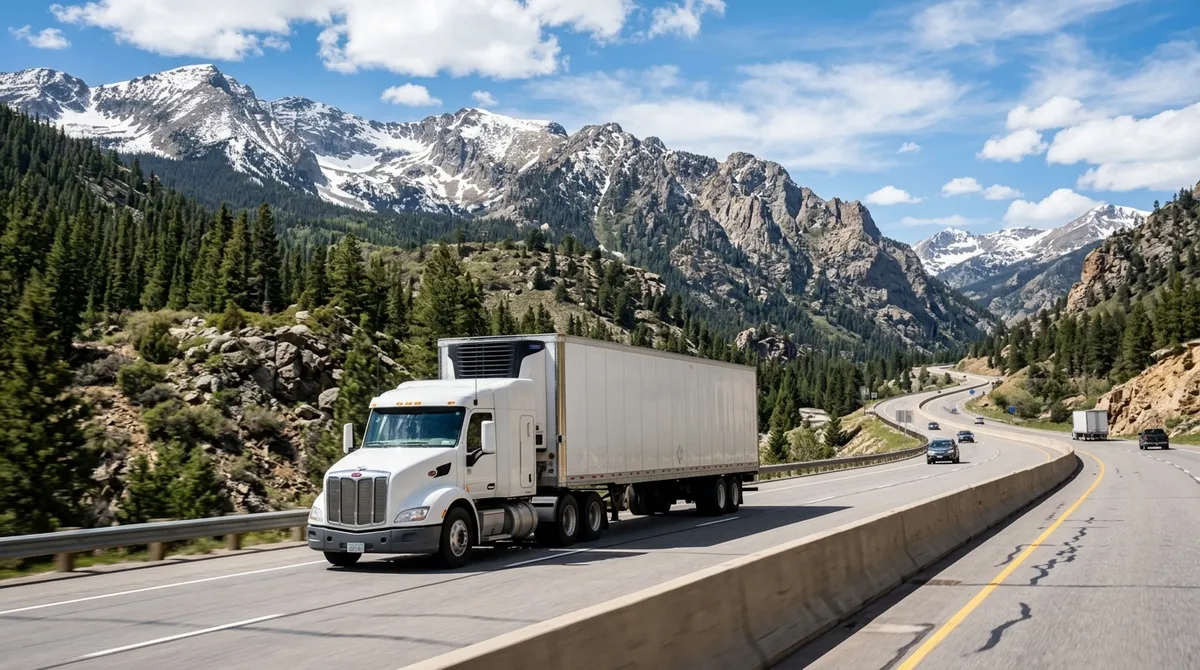
Prime Inc is one of the largest refrigerated carriers in North America, based out of Springfield, MO. It is also one of the most debated companies in trucking — praised for its training program and equipment, criticized sharply for its lease-purchase structure. If you are researching Prime before applying, this review pulls together what actual drivers report across forums, review platforms, and trucking communities in 2026.
| Category | Detail |
|---|---|
| Headquarters | Springfield, MO |
| Founded | 1970 |
| Fleet size | ~9,000+ drivers |
| Divisions | Refrigerated, Flatbed, Tanker, Intermodal |
| CDL School | Yes — with minimum commitment required |
| Lease-Purchase | Available — highly controversial |
| Average Company Driver Pay | $0.55–$0.65 CPM (varies by division) |
| Home Time | Varies by division and route |
| Overall Driver Sentiment | Mixed — training praised; lease-purchase often criticized |
1. Prime Inc at a Glance
Prime started as a small trucking operation in the early 1970s and grew into one of the most recognized names in refrigerated freight. Today the company runs four distinct divisions, operates its own CDL training school, and offers both company driver and lease-purchase positions — which makes it a popular first stop for new drivers and experienced operators alike.
The company's size means it has the infrastructure many smaller carriers lack: dedicated safety departments, a large maintenance network, and nationwide load availability. But size also means more bureaucracy, less personalized dispatch relationships, and a lease-purchase program that gets more scrutiny than almost any other carrier in the country.
Before you sign anything, read this all the way through — especially section two.
2. The Lease-Purchase Debate: Prime's Most Controversial Program
No topic generates more heat about Prime than its lease-purchase program. On r/Truckers — one of the largest active communities for CDL drivers — threads about Prime lease-purchase appear regularly, and the majority of experienced drivers advise against it unless you go in with sharp business discipline and a clear exit strategy.
The mechanics of the program: Prime offers a lease on company trucks (typically Freightliners or Kenworths) through their in-house financing arm. Drivers pay a weekly lease amount, cover their own fuel, insurance, and maintenance, and earn a higher per-mile rate than company drivers to offset those costs. On paper the numbers can look attractive. In practice, the margin depends heavily on fuel prices, load availability, miles driven, and how aggressively Prime dispatches lease operators.
Drivers who make it work tend to share a few things in common: they track every expense obsessively, they push for maximum miles, they understand their cost-per-mile cold, and they have a financial cushion to absorb slow weeks. If that describes you, and you want to get into owner-operator territory without buying outright, the Prime lease may be worth a serious look. If it does not describe you, start as a company driver and build from there.
For a broader look at red flags to watch in carrier contracts, see our guide on trucking company red flags every driver should know.
3. Prime's Four Divisions
Prime runs four operating divisions. Each has a different freight profile, equipment setup, and driver experience. Choosing the right division matters more than many new applicants realize.
Refrigerated
The refrigerated division is Prime's flagship and, by most driver accounts, its best-run. The equipment skews newer, the freight is generally consistent, and the pay structure is competitive for reefer work. Drivers in this division report the most satisfaction overall. The trade-off: reefer driving adds complexity — pre-cooling, temperature monitoring, grocery distribution deliveries — that not everyone wants to deal with.
Flatbed
Prime's flatbed operation runs a mix of freight types — steel, building materials, machinery. Flatbed drivers need tarping and strapping skills, and the physical demands are higher than dry van or reefer. Pay is generally competitive with other flatbed carriers. Driver reviews are mixed: some appreciate the variety and earning potential; others find the manual labor wears on them over time.
Tanker
The tanker division requires a tanker endorsement and, depending on the freight, a HAZMAT endorsement. It is a smaller division within Prime's network. Drivers report decent pay and consistent miles, but onboarding requirements are more rigorous. Reviews here are generally neutral to positive — less chatter, fewer strong opinions either way.
Intermodal
Intermodal at Prime involves container drayage — moving freight between rail and road. Routes are typically shorter haul, which can mean more home time for some drivers. However, intermodal work is also more irregular — heavily dependent on rail schedules and port activity. Driver reviews in this division are the most variable, often tied directly to the region and terminal they work out of.
4. What Prime Drivers Praise
Even among critical reviews, certain things come up repeatedly as genuine positives.
- Equipment quality (especially reefer): Drivers in the refrigerated division consistently mention newer trucks with modern amenities. This matters on long OTR runs — a truck that's not breaking down is a truck earning miles.
- Load availability: Prime's size means freight is generally available. Experienced OTR drivers report rarely sitting more than a day waiting on loads, which directly protects earnings.
- Training quality: Drivers who came through Prime's CDL school — including those who were skeptical — frequently credit the program with giving them a solid foundation. The trainers are described as experienced and professional in most accounts.
- Benefits package: Company drivers get medical, dental, and vision. For a new driver without prior employment benefits, this is meaningful.
- Driver app and communication tools: Prime has invested in digital tools for dispatch communication. Most drivers find the tech functional and reliable compared to older paper-based systems.
5. The Training Program
Prime operates its own CDL training school, which makes it accessible to people entering trucking without a license. The school covers the CDL A written test, pre-trip inspections, backing maneuvers, and road driving. Prime funds the training in exchange for a commitment to work with them after passing — typically one year as a company driver.
The structure is: paid CDL training → apprenticeship driving with a trainer → solo company driver status. The training phase is paid (though modestly), which is a real advantage over programs that require trainees to fund their own schooling.
The commitment is real and enforceable. If you leave Prime before completing your obligation period, you owe back the training cost. Read the contract carefully and understand what "leaving" triggers the repayment clause — some drivers report being surprised by how broadly that is defined.
For new drivers choosing between company training and CDL school: Prime's program is among the more respected carrier-sponsored options in the industry. If you are certain you want OTR trucking and are comfortable with the commitment terms, it is a legitimate path in.
6. Pay by Division (Real Numbers)
Pay at Prime varies significantly by division, experience level, and whether you are a company driver or lease operator. The numbers below are based on driver-reported figures from forums and review platforms as of late 2025 and early 2026. They are ranges, not guarantees.
| Division | Company Driver CPM | Lease Operator CPM (gross) | Notes |
|---|---|---|---|
| Refrigerated | $0.55–$0.65 | $1.05–$1.20 | Lease gross before all deductions |
| Flatbed | $0.57–$0.67 | $1.10–$1.25 | Higher physical demands factored in |
| Tanker | $0.58–$0.68 | $1.10–$1.20 | Endorsement premium applies |
| Intermodal | $0.50–$0.60 | Varies by terminal | Shorter haul; more stops |
For lease operators: the gross CPM looks strong on paper. After deducting truck payments (~$600–$900/week depending on the truck and term), fuel (which runs the largest cost), insurance, maintenance escrow, and tolls, take-home varies widely. Drivers running 2,800–3,200 miles per week in the reefer division report net weekly take-home ranging from $900 to $1,600 after deductions — which tracks roughly with what experienced company drivers earn but with significantly more financial risk and responsibility.
New company drivers coming through the training program start lower — typically $0.48–$0.52 CPM in the first months — before earning experience-based increases.
If you are weighing Prime against independent operation, read our breakdown of owner-operator vs. company driver in 2026 before deciding.
7. Home Time at Prime
Home time is one of the most common pain points in driver reviews across all carriers, and Prime is no exception. The experience varies significantly by division and individual dispatcher relationship.
OTR drivers in the refrigerated and flatbed divisions typically run two to three weeks out before getting home time. Some drivers report getting home roughly every three weeks as advertised; others describe stretches running four to five weeks before being routed near their home area. Home time at Prime is earned, not guaranteed — and this comes up repeatedly in critical reviews.
Intermodal drivers generally see more frequent home time due to shorter regional hauls, though schedule consistency depends heavily on the terminal and freight volume in their region.
Drivers who live near Prime's freight lanes — particularly in the Midwest and Southeast — report better home time outcomes than those in areas that are harder to route freight through. If your home is in a remote or low-freight area, expect this to be a consistent challenge.
The dispatcher relationship matters enormously here. Multiple drivers note that when they had a dispatcher who understood their home time needs and advocated for them, the experience was much better. Building that relationship early is practical advice, not platitude.
8. Should You Apply in 2026?
Prime is a legitimate, large-scale carrier with real infrastructure and a training program that gives new CDL holders a viable path into the industry. It is not a scam, and it is not the worst place to start. For the right driver, it can be a solid first job or a reliable long-term position.
But "should you apply" depends entirely on which version of Prime you are considering.
Apply if:
- You want OTR experience and a company-sponsored path to a CDL
- You are comfortable with two-to-three-week runs away from home
- You are starting in the refrigerated division as a company driver
- You understand the business math of lease-purchase cold before signing one
- You want consistent freight volume and reasonable equipment quality
Think twice if:
- You are going straight into a lease-purchase without prior trucking business experience
- You need predictable home time with minimal flexibility
- You are in a remote home area far from Prime's primary lanes
- You are expecting the lease to function like a straightforward path to ownership without treating it as a business
Prime is not for everyone, and the drivers who struggle most are those who went in without fully understanding the terms — particularly on the lease side. Go in informed, and your odds of a positive experience increase substantially.
Ready to compare Prime against other top carriers? Browse our full carrier directory to see driver reviews, ratings, and real pay data for hundreds of companies.
9. Frequently Asked Questions
Is Prime Inc a good company for new CDL drivers?
Prime is a reasonable option for new drivers, particularly through its CDL training program. The refrigerated division has newer equipment, consistent freight, and a structured training path. New drivers should start as company drivers and fully understand any contract obligations before signing.
How does Prime's lease-purchase program actually work?
Prime offers truck leases through an in-house program. Drivers pay a weekly lease fee, cover their own fuel and maintenance costs, and earn a higher per-mile rate than company drivers. The net take-home after deductions varies widely — many drivers find it only marginally better (or sometimes worse) than company driver wages, with more financial risk. Strong mileage discipline and business cost tracking are required to come out ahead.
What division at Prime pays the most?
Flatbed and tanker divisions tend to carry slight pay premiums over refrigerated, reflecting the additional endorsements or physical demands. However, the refrigerated division is most consistently praised overall for load volume and equipment quality, which affects total earnings in practice.
How often do Prime drivers get home?
OTR drivers typically aim for home time every two to three weeks, but many report actual stretches of three to five weeks depending on freight routing and dispatcher relationship. Intermodal drivers see more frequent home time. Drivers close to Prime's primary freight lanes report better outcomes than those in remote areas.
What do drivers on Reddit say about Prime Inc?
On r/Truckers, the most frequent Prime discussion topic is the lease-purchase program, which draws consistent warnings from experienced drivers. The general consensus is that the lease works for a small percentage of highly disciplined operators and is financially challenging for most. Company driver reviews are more mixed — some positive about equipment and load volume, others critical of home time and dispatch inconsistency.
Does Prime Inc offer benefits?
Yes. Company drivers at Prime receive medical, dental, and vision benefits. Lease operators are classified as independent contractors and are responsible for their own insurance and benefits. This is a meaningful distinction when comparing total compensation between the two tracks.
Compare Prime Inc Against Other Top Carriers
Prime is one option. There are hundreds of carriers hiring right now, and the right fit depends on your home location, experience level, and what you need from a company. Browse real driver reviews, verified pay data, and ratings on our carrier directory.
Browse All Carriers →About the Author
CDL driver since 2016, owner-operator, fleet operator. Co-founder of Oculus Reviews.
Join Oculus Reviews Today
Create your free account and start building your professional trucking reputation.
Related Articles

How Trucking Companies Can Improve Their Online Reputation in 2026
A practical 2026 guide for carriers: claim your profile, respond to driver reviews, fix what drivers complain about, and turn reputation into recruiting.

Why Driver Reviews Are the Future of Trucking Recruitment
Verified driver reviews are reshaping trucking recruitment as leverage shifts to drivers. Why reputation data now decides which carriers attract and keep talent.
Werner Enterprises Driver Reviews 2026: Dollar General Pay
Werner drivers reveal real pay ranges, the Dollar General dedicated account pros and cons, DAC report risks, and is Werner still worth signing on in 2026?